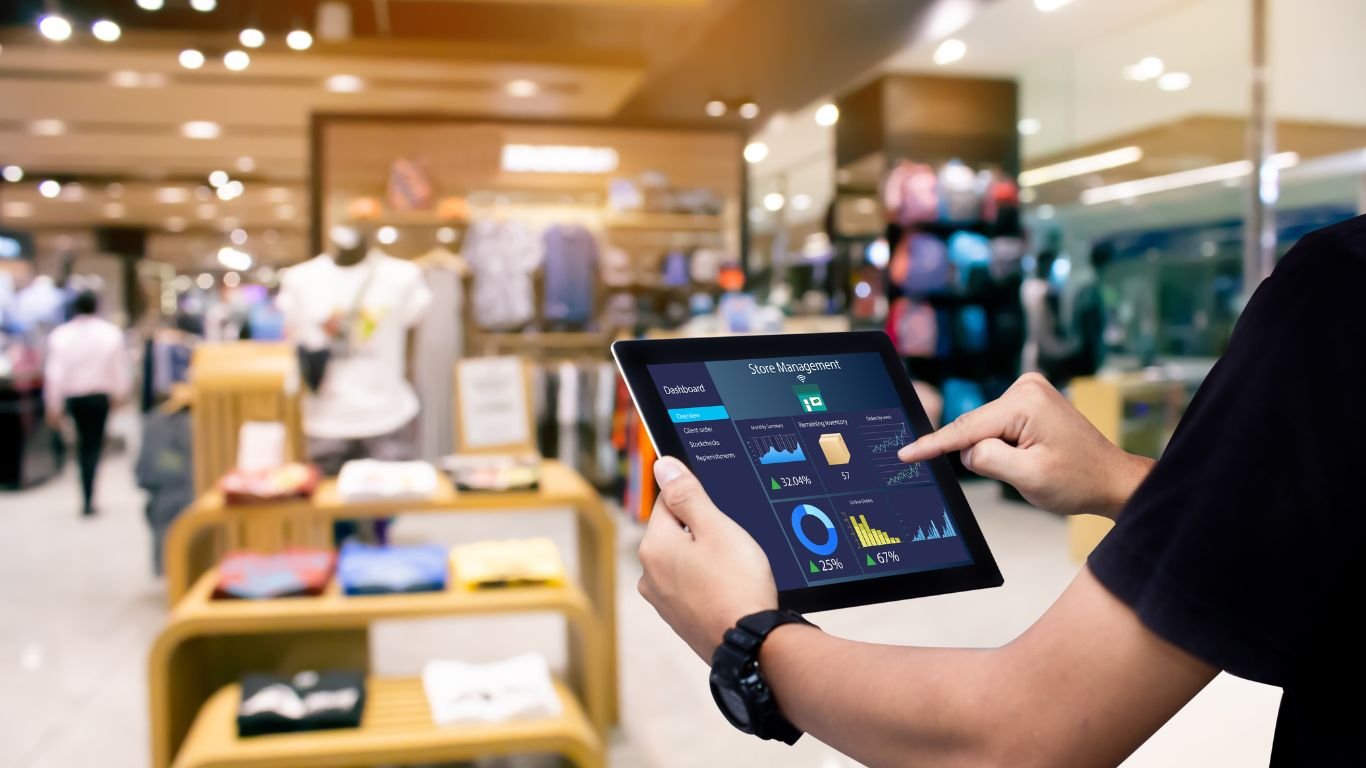
Predictive analytics in retail technology utilizes historical data to forecast customer behaviors and market trends. This analytical approach aids retailers in tailoring strategies, optimizing inventory, and enhancing customer engagement. By examining patterns, businesses can minimize stock discrepancies and create a responsive retail environment. However, as advancements in AI and machine learning unfold, the implications of predictive analytics may extend beyond current applications. What could these developments mean for the future landscape of retail?
Understanding Predictive Analytics in Retail
As retailers increasingly navigate a competitive landscape, understanding predictive analytics has become essential for optimizing operations and enhancing customer experiences.
Key Applications of Predictive Analytics
While the potential of predictive analytics in retail is vast, its key applications can be categorized into several critical areas that drive efficiency and enhance customer engagement.
Notably, understanding customer behavior enables tailored marketing strategies, while effective inventory management predicts demand fluctuations, reducing excess stock and stockouts.
These applications collectively empower retailers to optimize operations and foster stronger connections with their customer base.
See also: Sector Performance Review of 86377090, 6164648000, 2130396751, 22991600, 910770147, 72191140780
Benefits of Implementing Predictive Analytics
The implementation of predictive analytics in retail technology offers numerous advantages that significantly enhance operational efficiency and customer satisfaction.
By leveraging customer insights, retailers can tailor marketing strategies and improve product recommendations.
Additionally, inventory optimization becomes achievable, reducing excess stock and ensuring product availability.
Ultimately, these benefits foster a more responsive retail environment, accommodating consumer needs while maximizing profitability and resource management.
The Future of Predictive Analytics in Retail
With advancements in artificial intelligence and machine learning, the future of predictive analytics in retail is poised to transform the industry significantly.
Enhanced data analysis will enable retailers to better understand consumer behavior, facilitating targeted marketing strategies.
Additionally, inventory optimization will become increasingly precise, reducing excess stock and improving supply chain efficiency, ultimately leading to a more agile and responsive retail environment.
Conclusion
In conclusion, while some may argue that predictive analytics requires substantial investment and expertise, the long-term benefits far outweigh these initial challenges. By embracing this technology, retailers can enhance decision-making processes and significantly improve customer satisfaction. As the retail landscape evolves, the ability to anticipate consumer behaviors and market shifts will become indispensable. Ultimately, integrating predictive analytics not only streamlines operations but also positions retailers to thrive in an increasingly competitive environment.